


Permanent Delegate of Lithuania to UNESCO: member states of the organization are seriously concerned about the deteriorating situation in Crimea
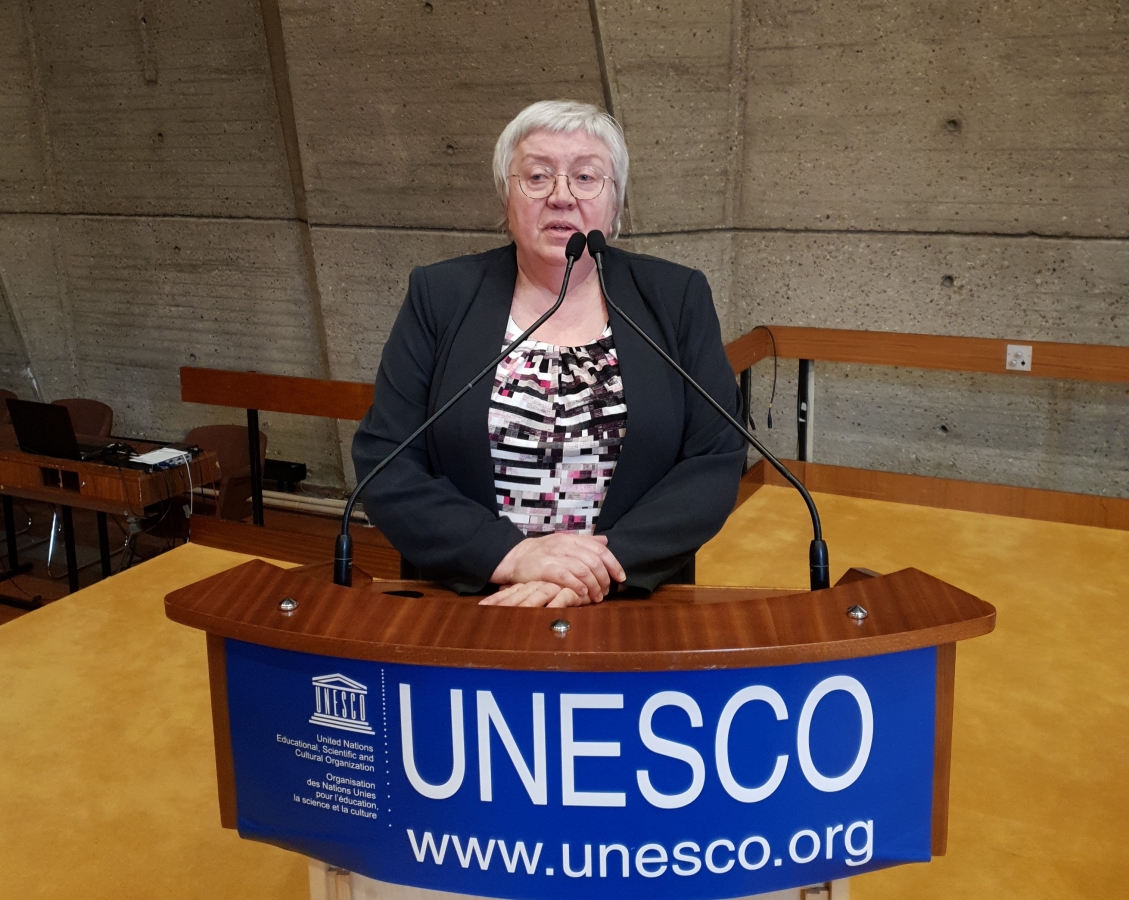
On March 28, during an information meeting at UNESCO headquarters in Paris, Permanent Delegate of Lithuania to UNESCO, Ambassador Irena Vaišvilaitė expressed the concern of almost thirty UNESCO member states about the deteriorating situation in Crimea. Ambassador I. Vaišvilaitė delivered a statement on behalf of the countries that joined it, underlining the support to the territorial integrity and sovereignty of Ukraine and urged Russia to comply with its international commitments.
“Within UNESCO’s fields of competence we remain deeply concerned about the constantly deteriorating situation caused by Russian aggression on the Crimean peninsula, in particular the intense and systematic repressive policy against media freedom, the safety of journalists and media workers, access to religious institutions, as well as the impact of ongoing militarization on educational, scientific and cultural institutions,” noted Ambassador I. Vaišvilaitė.
The Ambassador also stressed the right of Crimean Tatars, Ukrainians and all ethnic and religious communities to foster their language and culture, traditions, education and identity. The statement reiterated the call for Russia to grant freedom to the Ukrainian filmmaker, writer and the winner of the European Parliament’s Sakharov Price for Freedom of Thought, Oleg Sentsov, and also urged to release the Crimean Tatar activist Edem Bekirov and all other Ukrainian citizens arbitrary or unlawfully detained in the illegally annexed Crimean Peninsula and Russia.
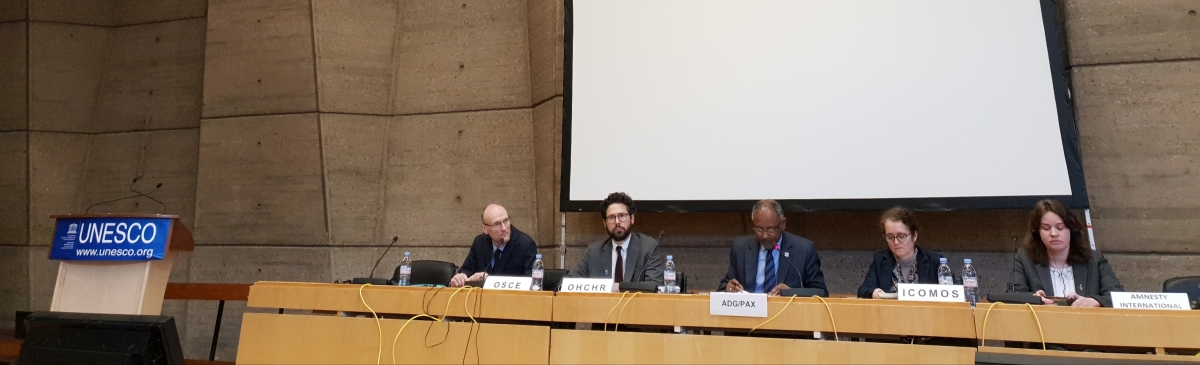
The purpose of this meeting was to provide information on the observance of the principles within the competences of UNESCO in the Autonomous Republic of Crimea (Ukraine) and the city of Sevastopol. Firmin Edouard Matoko, UNESCO’s Assistant Director-General for Priority Africa and External Relations, presided the meeting. The representatives of the Organization for Security and Co-operation in Europe, the Office of the United Nations High Commissioner for Human Rights, the International Council on Monuments and Sites, Amnesty International and the diplomats of the UNESCO Member States were also present.
The Executive Board of UNESCO decided in 2014 to monitor the situation in the occupied Crimea. Since then the UNESCO community biannually assesses developments in this part of Ukraine, within UNESCO’s fields of competence. The UNESCO Secretariat collects information on the situation in Crimea together with other cooperating organizations and consults with the Ukrainian authorities.
